How to Choose the Right Destination for Your Next International Trip
11 October, 2026 - 1 min read - By Telzen

Planning an international trip is exciting, but choosing where to go can sometimes be the hardest part. With hundreds of countries, cities, cultures, landscapes and travel experiences to consider, it is easy to choose a destination simply because it looks attractive online.
A better approach is to choose a place that matches your interests, available time, budget and travel style. The right destination is not necessarily the most famous one. It is the place that makes sense for the kind of trip you actually want.
Start With the Purpose of Your Trip
Before looking at flights or hotel prices, decide what you want from the journey. Your main travel purpose can quickly narrow down your choices.
You may want a relaxing beach holiday, a cultural experience, an outdoor adventure, a food focused trip or a city break. You may also want to combine several experiences.
Ask yourself:
• Do I want relaxation or exploration?
• Am I more interested in nature, culture, food or history?
• Do I want a quiet trip or an active schedule?
• Am I traveling alone, with family, with friends or with a partner?
• Do I want to stay in one place or explore several areas?
Once you understand your main goal, destinations become much easier to compare.
Consider Your Available Travel Time
The number of days available can completely change which destination is practical. A country that works well for a two week holiday may not be suitable for a short five day trip.
Long flights, airport transfers and transportation between cities can take valuable time. For shorter trips, choose destinations where major attractions are relatively easy to reach.
| Available Time | Destination Type | Suggested Approach |
| 3 to 5 days | One city or compact region | Focus on key attractions |
| 6 to 9 days | One country with nearby destinations | Combine a few experiences |
| 10 to 14 days | Larger country or several regions | Create a balanced itinerary |
| 15 days or more | Larger destination or multiple countries | Allow more time to explore |
Do not measure a successful trip by the number of places you visit. Having enough time to enjoy each location usually creates a better experience.
Set a Realistic Travel Budget
Budget is another major factor. Instead of asking whether a country is expensive, calculate what your particular trip could cost.
Consider flights, accommodation, food, local transportation, attractions, travel insurance and mobile connectivity. A destination with inexpensive hotels can still become expensive if transportation and activities cost more.
Before choosing, make a simple estimate of your major expenses.
| Expense | What to Check |
| Flights | Return airfare and baggage costs |
| Accommodation | Average nightly price in suitable areas |
| Food | Daily food spending |
| Transportation | Public transport, taxis and transfers |
| Attractions | Entrance fees and activity costs |
| Connectivity | Mobile data or eSIM cost |
| Emergency Fund | Extra money for unexpected expenses |
Keep some money aside for emergencies and spontaneous activities. A realistic budget gives you more freedom during the trip.
Think About the Weather
Weather can strongly influence your travel experience. A destination may look perfect, but visiting during heavy rain, extreme heat or very cold conditions can affect your plans.
Think about the activities you want to enjoy. Beach trips usually require comfortable coastal weather. Hiking trips are better when trails are accessible and temperatures are suitable. City trips may be more flexible because museums, restaurants and indoor attractions remain available during poor weather.
Check the typical conditions for your exact travel period rather than relying only on general information about a destination.
Your personal comfort matters too. Some travelers enjoy hot weather, while others prefer cooler conditions.

Match the Destination With Your Travel Style
Every traveler has different preferences. Your destination should support the way you naturally like to travel.
If you prefer relaxation, look for beaches, scenic coastal areas, resorts and peaceful towns.
If you enjoy culture, consider historic neighborhoods, museums, local markets, traditional events and architectural landmarks.
If you love adventure, look for mountains, national parks, hiking routes, water activities and outdoor excursions.
If food is an important part of your trip, research destinations known for local cuisine, markets, street food and regional specialties.
You can also combine styles. A destination with historic cities, beaches and nature can work well when you want variety without changing countries.
Consider Your Travel Companions
The ideal destination also depends on who is traveling with you. A destination that works well for a solo traveler may not be the easiest choice for a family.
Families may prioritize comfortable transportation, suitable accommodation and activities for different ages. Couples may prefer scenic locations, restaurants and relaxed experiences. Friends may want activities, nightlife and flexible schedules.
| Traveler Type | Important Factors |
| Solo Traveler | Safety, transport and flexible activities |
| Couple | Scenic places, food and shared experiences |
| Family | Convenience, accommodation and varied activities |
| Friends | Activities, entertainment and nightlife |
| Older Travelers | Comfortable transport, accessibility and relaxed schedules |
Discuss expectations before booking. Agreeing on the general travel style can prevent unnecessary disagreements later.
Check Entry Requirements Before Booking
Entry requirements should be part of your destination research before you purchase flights.
Depending on your nationality and destination, you may need a visa, electronic travel authorization, specific passport validity or additional documents.
Always check official immigration or embassy information relevant to your nationality. Do not rely only on social media posts or old travel articles.
Also keep digital and physical copies of important documents. These can include your passport, visa information, accommodation details, travel insurance and emergency contacts.
Think About Safety and Comfort
Safety should be considered without letting fear control your entire decision. The goal is to understand the destination and decide whether it fits your comfort level.
Research local safety information, transportation conditions, common tourist scams, local laws and emergency services.
You should also consider your own travel experience. A destination with complicated transportation or significant language differences may require more preparation for a first time traveler.
Learning a few local phrases and understanding basic cultural etiquette can also make the experience smoother.
Compare Your Shortlist
After considering your purpose, time, budget, weather and travel style, create a shortlist of three destinations.
Then compare them using the factors that matter most to you.
| Factor | Destination A | Destination B | Destination C |
| Budget | 4 | 3 | 5 |
| Weather | 5 | 4 | 3 |
| Activities | 4 | 5 | 4 |
| Transportation | 5 | 3 | 4 |
| Food | 4 | 5 | 4 |
| Overall Fit | 5 | 4 | 4 |
You can score each factor from one to five. The exercise does not need to be complicated. It simply helps you see which destination fits your priorities most closely.
Give more importance to the factors that matter most to you. If budget is critical, give it more weight than nightlife. If nature is your main reason for traveling, prioritize landscapes and outdoor activities.
Do Not Plan Too Much
One of the most common travel planning mistakes is trying to see everything.
If you have seven days, visiting five cities may sound exciting, but constant transportation can make the trip tiring. Spending more time in fewer places often allows you to discover local neighborhoods, enjoy meals without rushing and change your plans when something interesting appears.
Leave some free time in your itinerary. A flexible schedule can make the trip feel more enjoyable and less like a checklist.
Research Connectivity Before You Go
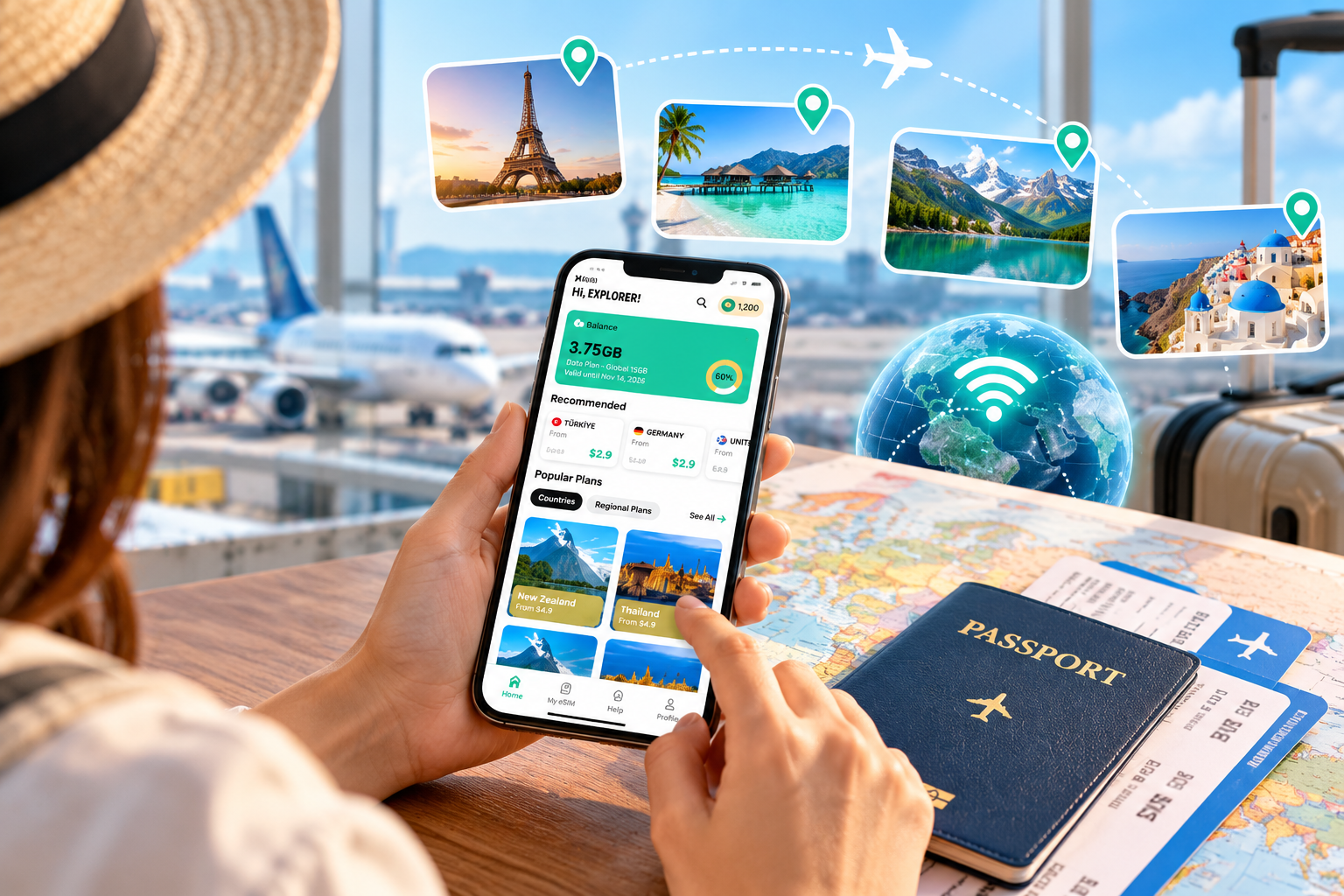
Internet access is an important practical consideration when choosing and planning an international trip. Travelers often need mobile data for maps, translation, transportation apps, digital tickets, restaurant searches and communication.
Before traveling, check whether your phone supports eSIM and consider what type of data plan fits your usage.
Stay Connected With Telzen
Telzen eSIM offers travelers a convenient way to access mobile data while abroad without relying entirely on a physical SIM card. You can select a suitable data package for your destination and arrange connectivity before or during your trip.
Selected Telzen data packages can start from around $1.00, depending on the destination and package. First purchase discounts may also be available, making it a convenient option for travelers looking for affordable mobile connectivity.
Having data ready can make navigation, communication and access to travel information much easier, especially when you arrive in an unfamiliar country.
Make Your Final Decision
Once you have compared your options, ask yourself three simple questions:
• Will I enjoy being there?
• Can I realistically afford the trip?
• Does the destination fit the time I have?
If the answer is yes to all three, you probably have a strong choice.
Do not feel pressured to choose the most popular destination. A less famous place can sometimes match your interests, budget and schedule much better.
Quick Destination Checklist
Before booking, make sure:
• I know what I want from the trip.
• The destination fits my available days.
• I have estimated the major costs.
• The weather suits my plans.
• The destination matches my travel style.
• Transportation looks manageable.
• I have checked entry requirements.
• I understand basic safety considerations.
• My travel companions agree with the plan.
• I have considered mobile connectivity.
• I have left some flexibility in the itinerary.
FAQ
How do I choose a destination for my first international trip?
Choose a destination that matches your interests and budget while offering convenient transportation and manageable planning. Checking entry requirements and basic safety information before booking can also make the experience easier.
Should budget be the first factor when choosing a destination?
Budget is important, but it should be considered alongside your travel goals. A destination that costs slightly more may offer better transportation, activities or accommodation for your needs.
How many places should I visit during one trip?
There is no fixed number. For shorter trips, focusing on one city or region is often more comfortable. Longer trips can include multiple destinations when transportation between them is practical.
How important is weather when choosing a destination?
Weather is especially important for beach holidays, hiking and outdoor activities. For city trips focused on museums, food and indoor attractions, it may be less important.
Should I choose a popular destination?
Not necessarily. Popular destinations can offer excellent tourism infrastructure, but less crowded destinations may provide a quieter and more personal experience.
Do I need mobile data when traveling internationally?
Mobile data is useful for navigation, translation, communication, transportation and travel apps. An eSIM can be a convenient option for compatible phones.
Conclusion
Choosing the right international destination becomes much easier when you focus on your own needs instead of simply following trends. Think about why you want to travel, how much time you have, what you can spend and which experiences you want.
Then consider weather, transportation, entry requirements, safety, travel companions and connectivity. Compare a few destinations instead of making an immediate decision.
The perfect destination does not have to be the most famous place in the world. It simply needs to be the right match for your trip. With a little planning and a realistic understanding of your priorities, you can choose a destination that makes your international journey more enjoyable from the moment you start planning.
